
Introduction: The Future of Landing Page Design
In today’s fast-paced digital world, a landing page is often the first thing a visitor sees, and it could make or break their decision to engage with your brand. The design of these pages has evolved over the years, but now, with the rise of Artificial Intelligence (AI), web design is taking a new leap. As a website design company, it’s essential to stay ahead of the curve to create engaging, high-converting websites that meet modern standards.
So, how can AI help in designing effective landing pages, and what should you keep in mind to stay competitive? In this post, we will explore how AI is shaping web design and how to leverage its capabilities to create the best website for your business.
What is a Landing Page?
Before we dive deep into AI’s role in web design and development, let’s quickly answer the question: What is a landing page?
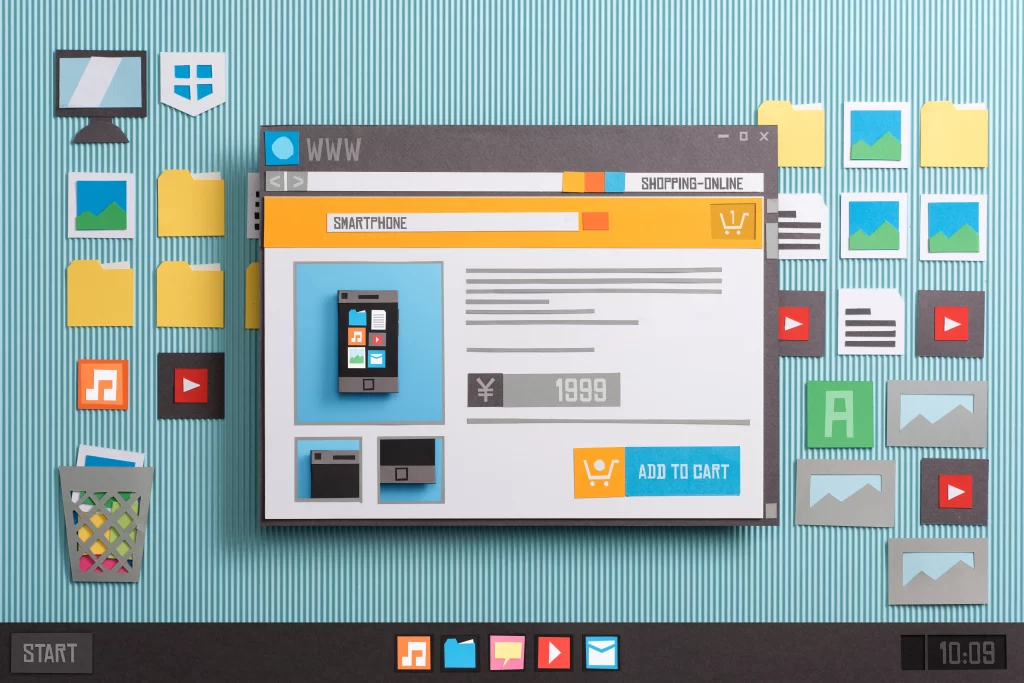
A landing or web page is a standalone web page created specifically for a marketing or advertising campaign. Its goal is to direct visitors to take a specific action—be it filling out a form, signing up for a newsletter, making a purchase, or downloading a resource. A well-designed landing or web page focuses on a single conversion goal, keeping distractions to a minimum.
Why Does Landing Page Design Matter?
The design of your web page matters because it directly impacts user behavior. If the page is not visually appealing, loads slowly, or is difficult to navigate, users will bounce and your conversion rates will drop. On the other hand, a well-crafted landings page with a clear message, attractive visuals, and an intuitive layout can significantly boost conversions.
This is where AI-powered tools come into play. By incorporating advanced algorithms and machine learning, AI can optimize various elements of web development and design, ensuring a personalized and seamless user experience.
How AI is Revolutionizing Landing Page Design
AI is reshaping how web design and pages are created and optimized. From layout to content personalization, AI can assist in crafting web design & pages that are not only visually appealing but also optimized for conversions.
1. Automated A/B Testing
One of the most time-consuming tasks in landings page design is running A/B tests to determine which layout, copy, or call-to-action performs the best. With AI, this process is automated. AI tools can analyze user behavior, test different variations, and choose the version that delivers the highest conversion rates without manual intervention. This means faster insights and optimized performance.
2. Personalized Content Delivery
AI can analyze visitor data and deliver personalized experiences on your landing pages. By tracking user behavior, location, and preferences, AI tools can dynamically alter content, such as headlines, images, and calls to action, to match each visitor’s needs. This tailored approach increases engagement and conversions.
3. Design Automation
Designing a visually appealing webpage page can be a challenge, especially when you’re juggling multiple projects. AI design tools can help automate the process by suggesting layout options, color schemes, typography, and even image recommendations based on current design trends and user preferences. These tools learn over time and get better at understanding what designs work best for specific audiences.
4. Enhanced User Experience
AI-powered chatbots can assist visitors on landing pages, answering questions in real-time and guiding them through the conversion process. This instant support can significantly improve the user experience and reduce bounce rates. Additionally, AI can help ensure your web page is mobile-friendly, as more users are browsing and shopping on their phones.
Best Web Page Design Practices in the Age of AI
1. Keep It Simple
A clean, uncluttered design is key to ensuring your visitors focus on the desired action. Avoid too much text, complex navigation, or distracting elements. Focus on one primary goal and make it easy for users to take action.
2. Use High-Quality Visuals
Images and videos can significantly enhance the user experience, but they need to be high-quality and relevant. Use visuals that speak to your audience and support your message. AI tools can also suggest the best visuals for your target market.
3. Optimize for Mobile
More people are accessing websites via mobile devices than ever before, so it’s crucial that your landing page is fully responsive. AI can help analyze user behavior on mobile devices and optimize your landing pages for mobile visitors.
4. Include Clear CTAs
A strong, clear call-to-action (CTA) is essential for conversions. AI tools can help you experiment with different CTAs to determine which ones resonate best with your audience.
Landing Page Examples and Inspiration
Looking for some landing page inspiration? There are countless examples of stunning landing pages that are designed with both aesthetics and functionality in mind. From sleek, minimal designs to bold, interactive elements, the best landing pages combine great visuals with clear messaging. If you’re looking for top-notch webpage page design, consider consulting a website design company in Mumbai like Sharptech Company, known for creating high-performing, visually appealing websites and landing pages.
Conclusion: Stay Ahead with AI-Driven Landing Pages
In conclusion, the integration of AI into landing page design offers exciting opportunities for businesses to stay ahead of the curve. By automating processes, personalizing content, and optimizing the user experience, AI can help you create landing & web pages that convert visitors into customers. To create the best landing pages for your business, partnering with a website design company that understands AI-driven design is essential.
If you’re looking for expert guidance and innovative landing and web page designs, check out Sharptech, a leading website design company that can help elevate your online presence.
Stay ahead of the competition by embracing the future of web design and development today!